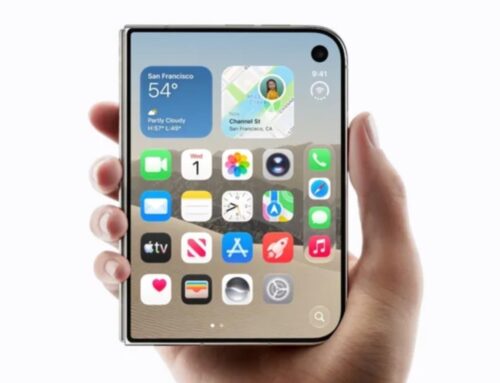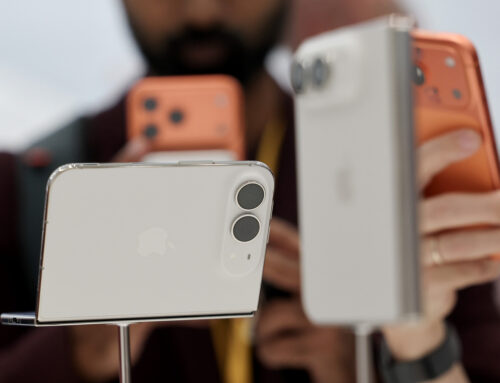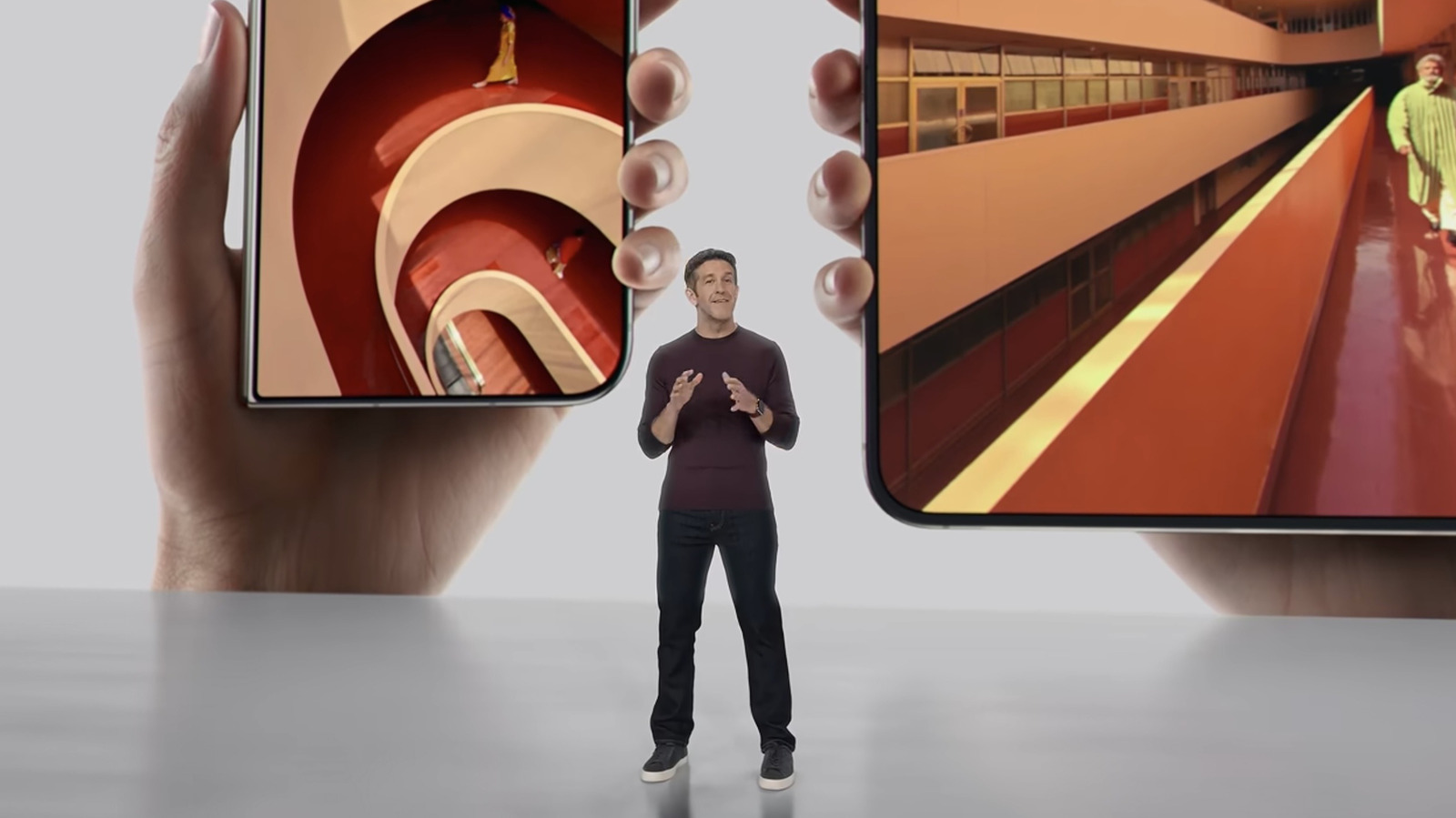
Apple recently did something with the iPhone that it’s never done before: split the grand unveiling of the same iPhone generation over two different years. So instead of revealing the iPhone 18 at its September event, it only showed us the iPhone 18 Pro, the 18 Pro Max, and the all-new iPhone Duo foldable handset. And while Apple hasn’t stated anything publicly about its apparent new approach, the tech giant is widely expected to launch the iPhone 18 in the spring of 2027. Whether you really need it, however, is another matter entirely.
Reports suggesting Apple was rejigging its iPhone launch schedule first emerged in 2024. Now that those reports have proved accurate, it’s worth taking a closer look at what those same sources said about why Apple made the change. Prominent Apple tipster Mark Gurman, for example, wrote in October 2024 that the tech giant was considering moving toward “a more fluid approach” for product releases including and beyond the iPhone. He followed up in 2025 with a more definitive report, laying out Apple’s specific plan to release the top-end iPhones, along with a foldable, in the fall of 2026 — followed about six months later by the 18, 18e, and potentially a refreshed Air.
Gurman, who has a strong track record when it comes to reporting on upcoming Apple products and business strategies, cited a number of reasons for the new approach, including giving Apple a steadier revenue stream throughout the year, preventing its premium and budget models from competing for attention, reducing the strain on manufacturing partners, and giving the company more time to respond to competitors’ launches. The broader idea, Gurman said, was to move away from squeezing so many products into one big fall release by staggering the unveiling process over a period of around six months.
The apparent thinking behind Apple’s new iPhone cycle
Georgeclerk/Getty Images
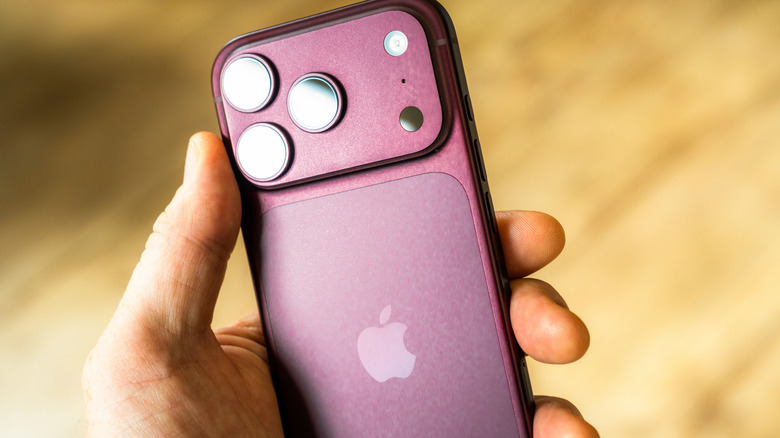
When the first iPhone launched in 2007, it was just that — a single product called iPhone. Since then, though, the lineup has expanded to multiple versions, with the SE and more recent e models landing outside of the main fall launch. With its current generation of iPhones now including six handsets — the iPhone 18 Pro, Pro Max, Duo, Air, e, and 17 — it feels less surprising that Apple has adopted a new launch cycle.
To begin with, Apple will find it a much less intensive process getting multiple models into production at the same time, especially when you consider that each one requires its own components, manufacturing capacity, supply-chain planning, and marketing push. The challenge becomes even greater when one of those models — like the foldable Duo — is an entirely new product category. Spreading the launches gives Apple more time to ramp up production and deal with any supply constraints while allowing its premium models to receive the full attention of its marketing operation in the fall.
Apple’s new launch strategy also creates a second major iPhone sales opportunity in the spring, rather than having the company’s biggest iPhone push concentrated around the holiday quarter. This offers a competitive advantage, too, as having iPhones arriving at two points in the year gives the company more opportunities to respond to rival launches rather than waiting until the following September. Leading Apple analyst Ming-Chi Kuo also raised similar points to Gurman, but focused more on the marketing side, saying that Apple’s expanding iPhone lineup risked diluting the company’s promotional efforts, with the split helping it to better compete with rivals that tend to launch flagship phones earlier in the year, like Samsung with its Galaxy S line.