Jake Peterson
Senior Technology Editor
Experience
Jake Peterson is Lifehacker’s Tech Editor, and has been covering tech news and how-tos for nearly a decade. His team covers all things technology, including AI, smartphones, computers, game consoles, and subscriptions.
Add as a preferred source on Google
Credit: Tada Images/Shutterstock
Key Takeaways
- Apple just rolled out support for end-to-end encryption (E2EE) for RCS on iPhones.
- The company started testing E2EE for RCS messaging with the iOS 26.4 beta, and it is officially releasing it with iOS 26.5.
- Once updated, users can take advantage of the encryption, assuming their Android friends are running the latest version of Google Messages.
Table of Contents
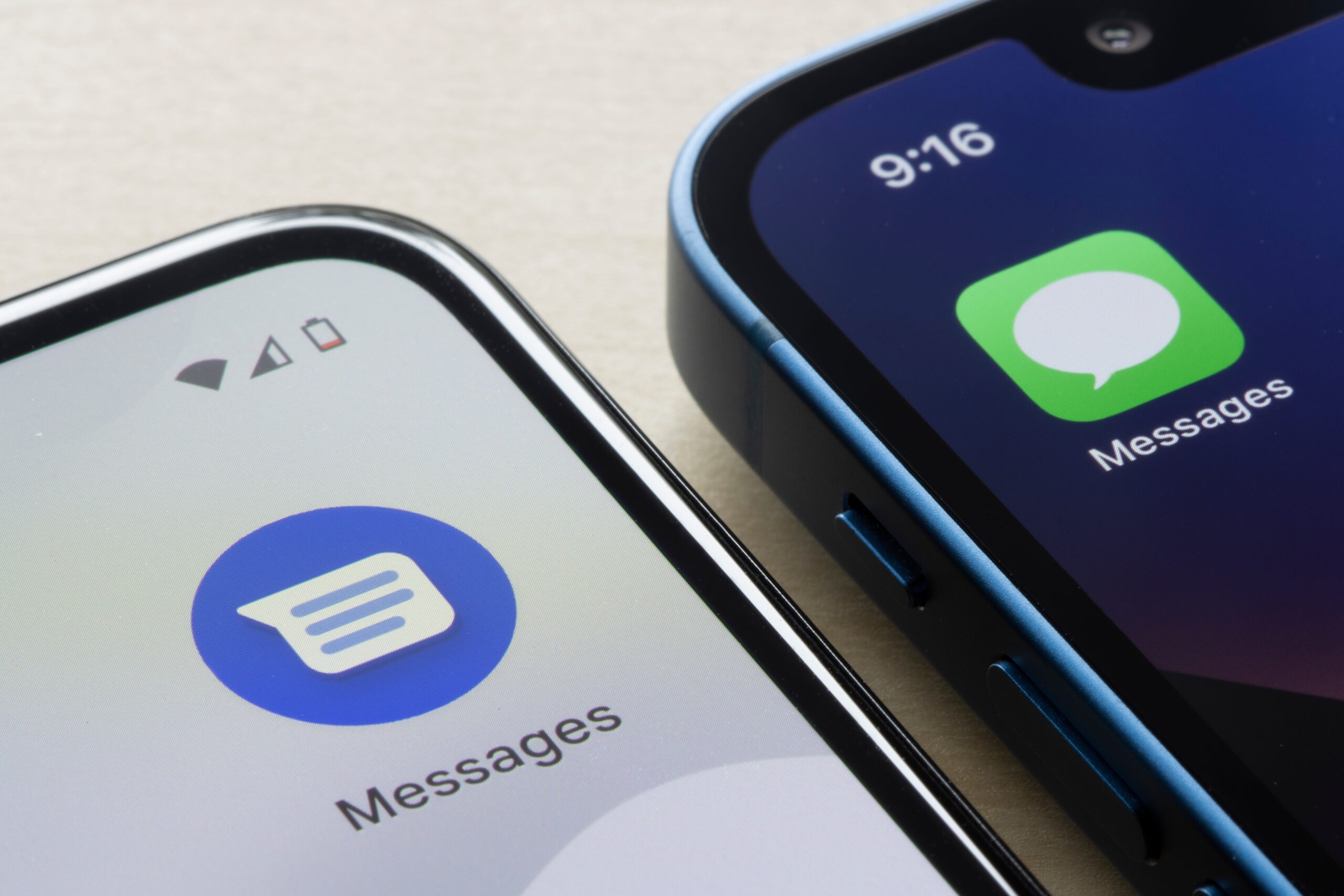
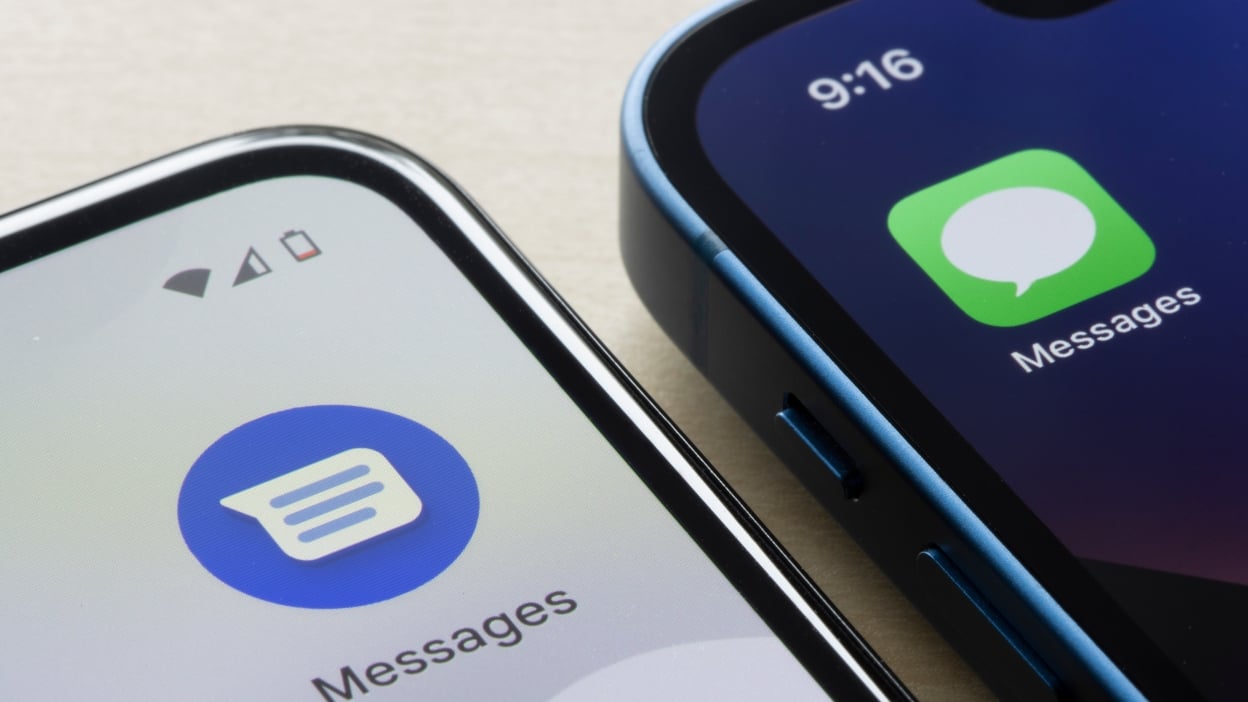
Perhaps the best thing to happen to smartphones in the past five years was Apple’s decision to start supporting RCS. Ever since, texting between iPhone and Android hasn’t been a nightmare caused by SMS: Group chats function as they should, photos and videos can be sent in high quality, and you can even see when the other person is typing—though the messages are still green.
While the experience is miles better than it used to be, it isn’t perfect. There are still some key functions missing from RCS on iPhone. For instance, you can’t unsend messages, reply to a thread, or edit iPhone messages. The latter can only happen on the Android side, while only iPhones can react with emojis right now. The biggest omission, however, is support for end-to-end encryption (E2EE). This is arguably the most important advantage RCS has over SMS. E2EE “scrambles” your messages, and only you and the recipient(s) have the “keys” to unscramble them. If a hacker were to remotely access your messages from an untrusted device, they wouldn’t be able to read them: The only way to see these messages in plain text is to have access to the trusted device associated with them.
If you have an Android device, and you text with other Android devices using Google Messages, you likely have this advantage. You may see a small lock icon next to your messages as you send them, indicating that texts are sent with E2EE. iPhones have this advantage when texting other iPhones, as iMessage is E2EE as well. But when you text from an iPhone to an Android, whether or not you’re using RCS or SMS, those messages are not protected by encryption, which leaves you vulnerable to hacking.
End-to-end encryption support for RCS is now live with iOS 26.5
That’s now changing. Apple just launched iOS 26.5, and with it, support for E2EE with RCS. As long as your Android friends are running the latest version of Google Messages, and you’re running iOS 26.5, you can rest easy knowing your messages are protected by end-to-end encryption. Apple does specify this feature is still in beta (the company has been trialing it since the first iOS 26.4 beta), and isn’t supported by all carriers in the U.S., but a glance at the company’s carrier information shows most do support it, including the big three (AT&T, T-Mobile, and Verizon).
The Download Newsletter
Never miss a tech story

Jake Peterson
Get the latest tech news, reviews, and advice from Jake and the team.
The Download NewsletterNever miss a tech story.
Get the latest tech news, reviews, and advice from Jake and the team.

Lifehacker has been a go-to source of tech help and life advice since 2005. Our mission is to offer reliable tech help and credible, practical, science-based life advice to help you live better.
© 2001-2026 Ziff Davis, LLC., A ZIFF DAVIS COMPANY. ALL RIGHTS RESERVED.
Lifehacker is a federally registered trademark of Ziff Davis and may not be used by third parties without explicit permission. The display of third-party trademarks and trade names on this site does not necessarily indicate
any affiliation or the
endorsement of Lifehacker. If you click an affiliate link and buy a product or service, we may be paid a fee by that merchant.